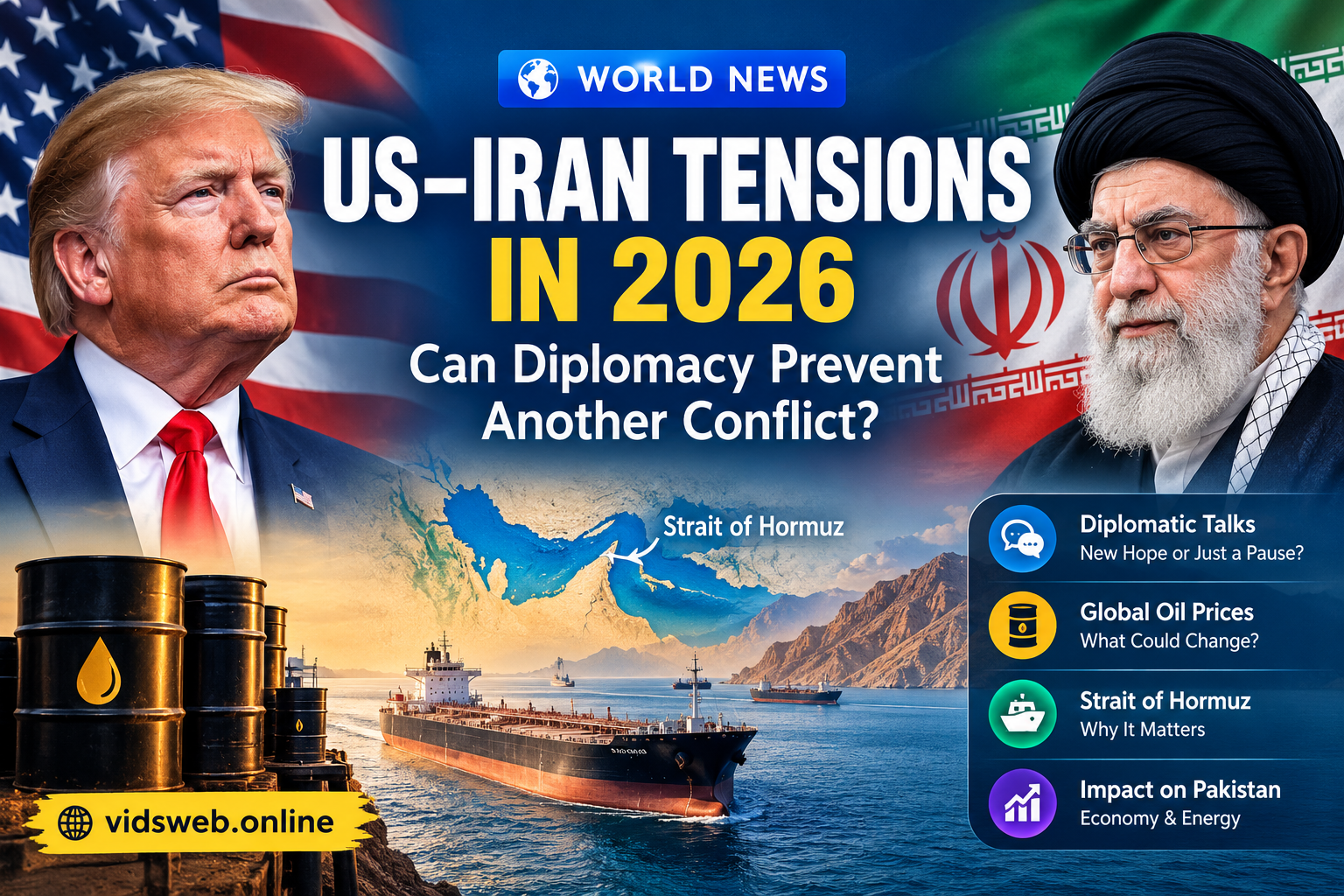
US–Iran Tensions in 2026: Can Diplomacy Prevent Another Conflict?
Tensions between the United States and Iran remain an important international concern in October 2026. Recent statements from US President Donald Trump have drawn attention to the possibility of renewed diplomatic engagement between the two countries.
Trump has indicated that Washington is holding discussions with Tehran and does not intend to launch attacks against Iran before the November 3 US midterm elections. These remarks have encouraged interest in whether diplomacy could help prevent further military escalation.
However, the situation remains uncertain. The two countries continue to face disagreements over economic sanctions, nuclear activities and security in the Middle East. No comprehensive peace agreement has been confirmed in the reports reviewed for this article.
For governments, businesses and ordinary people around the world, the outcome matters because tensions in the region can affect international trade, energy supplies and economic stability.
Why Are US–Iran Relations Under Pressure?
Relations between Washington and Tehran have been shaped by decades of political disagreements, economic sanctions and security concerns.
In recent years, Iran’s nuclear programme and its regional activities have remained major sources of disagreement. The United States has sought restrictions on Iranian nuclear activities and has used economic measures to pressure Tehran.
Iran, meanwhile, has objected to American sanctions and defended its position on nuclear development and national security.
These disagreements have become more complicated as military tensions have increased and commercial shipping routes have faced uncertainty.
Although negotiations may provide an opportunity to reduce the risk of further confrontation, reaching a lasting agreement would require progress on several difficult issues.
What Do Trump’s Latest Statements Mean?
Trump’s comments about ongoing discussions suggest that communication between the two governments remains possible.
His statement about not attacking Iran before the November elections has attracted attention because it provides a defined period during which a new US attack is not expected under the stated position.
Nevertheless, this should not be confused with a permanent ceasefire or a final peace settlement.
Several questions remain unanswered. It is not yet clear whether the two sides agree on the conditions for reducing tensions, what concessions either government might accept, or how any potential understanding would be implemented.
The next important development would be an official announcement explaining whether the discussions have produced specific commitments.
Why the Strait of Hormuz Matters to the World
One of the most important factors in the crisis is the Strait of Hormuz, a narrow waterway connecting the Persian Gulf with the Gulf of Oman.
The route plays a major role in global energy transportation. Oil and other petroleum products shipped through this passage supply many countries across Asia and other regions.
Any disruption can create uncertainty in international energy markets.
For example, shipping companies may face higher insurance costs when security risks increase. Delays can affect delivery schedules, while concerns about supply shortages can influence oil prices.
If diplomatic progress improves confidence in maritime security, some of these concerns could ease. However, the actual impact would depend on conditions at sea and the implementation of any agreements.
How Could the Situation Affect Oil Prices?
International oil markets respond to changes in supply, demand and geopolitical risk.
When traders believe that oil supplies may be interrupted, prices can rise as buyers account for possible shortages. When the risk of disruption appears to decrease, prices may move lower.
This helps explain why diplomatic developments between the United States and Iran receive considerable attention from energy traders.
Nevertheless, oil prices do not depend on a single political event. Global consumption, production levels, commercial inventories, currency movements and decisions by major oil-producing countries also influence the market.
For this reason, investors and consumers should avoid assuming that every diplomatic announcement will produce a lasting change in fuel prices.
What Could This Mean for Pakistan?
Pakistan is particularly sensitive to changes in international energy markets because the country imports petroleum products and other energy resources.
A prolonged increase in global oil prices could place additional pressure on the country’s import bill.
There are several possible consequences.
Higher transportation costs
Fuel is an important expense for road transport, agriculture, logistics and many businesses. If fuel costs increase, companies may face higher operating expenses.
Pressure on household budgets
When transportation and production become more expensive, some businesses may pass part of those costs on to consumers. This can contribute to inflation, although the effect varies across sectors.
Challenges for foreign exchange reserves
More expensive energy imports can increase demand for foreign currency. The overall effect depends on import volumes, exchange rates, export earnings and other economic conditions.
Potential relief if oil prices decline
If international energy prices fall and remain lower, Pakistan could benefit from reduced import costs. However, domestic petrol prices also depend on taxes, exchange rates, government pricing decisions and other charges.
The economic outcome will therefore depend on how the international situation develops and how global energy prices respond.
Three Possible Developments to Watch
The future course of US–Iran relations remains uncertain, but three broad scenarios illustrate what could happen next.
1. Diplomatic progress
Both governments could continue discussions and reach limited understandings on maritime security or other immediate concerns.
Such progress could reduce uncertainty even if wider disagreements remain unresolved.
2. A prolonged period of uncertainty
Negotiations could continue without producing a comprehensive agreement. In this situation, businesses and energy markets might remain sensitive to new announcements and security incidents.
3. Renewed escalation
If negotiations break down or new security incidents occur, tensions could increase again. This could affect shipping confidence and create fresh uncertainty for international energy markets.
These are possible scenarios, not predictions. The outcome will depend on decisions made by the governments involved and developments across the region.
What Should Happen Before a Lasting Agreement Is Possible?
A durable settlement would require more than statements expressing willingness to negotiate.
The two governments would need to establish clear terms, address their main disagreements and determine how commitments would be monitored.
Nuclear verification, sanctions, maritime security and the prevention of further military escalation are among the issues that could require attention.
Regional governments and international organizations may also play a role in supporting communication and reducing misunderstandings.
Even if an initial understanding is reached, implementing it consistently would be essential to building confidence over time.
Conclusion
The latest developments in US–Iran relations highlight the importance of diplomacy in managing international disputes. Discussions between the two governments may create opportunities to reduce tensions, but substantial disagreements remain.
The Strait of Hormuz, global oil markets and the economic position of energy-importing countries such as Pakistan make the situation important beyond the Middle East.
For now, the most responsible approach is to follow verified reporting, distinguish diplomatic signals from confirmed agreements, and avoid treating possible outcomes as established facts.
Further progress will depend on whether both governments can turn discussions into practical arrangements that address security concerns and reduce the risk of renewed confrontation.
Editorial note: This article is intended for general information. International developments can change quickly, so readers should consult current reporting and official announcements for the latest verified details.
US Department of State: https://www.state.gov/